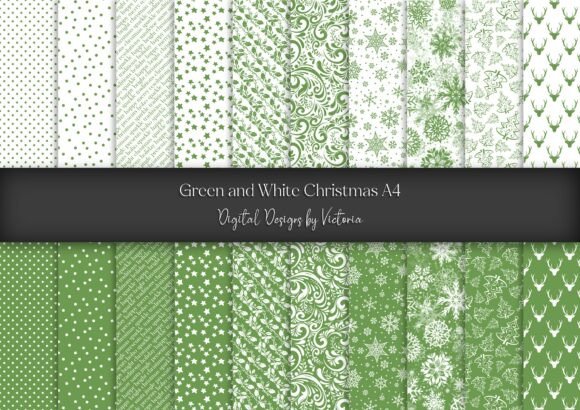
Reviewing Green and White Christmas A4 for Holiday Stitching
As a designer who has spent years watching needles dance across fabric, I have learned that not every digital file translates well into thread. When I first pulled up Green and White Christmas A4 on my screen, my initial reaction was one of cautious optimism. The color palette is classic, evoking the crisp chill of winter mornings and the quiet elegance of traditional holiday decor. But aesthetics are only half the battle in embroidery; the other half is technical execution. This review breaks down how this design performs in real-world scenarios, from boutique sweatshirts to delicate baby gifts.
First Impressions and Visual Mood
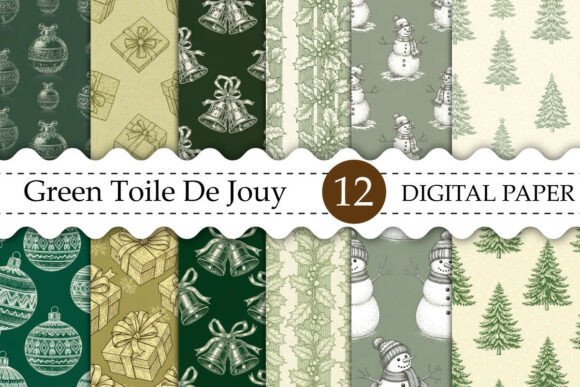
The immediate appeal of Green and White Christmas A4 lies in its restraint. In a market saturated with neon brights and overly complex scenes, this design offers a breath of fresh air. It fits squarely into the Backgrounds category, suggesting it is intended to serve as a subtle yet festive backdrop rather than a loud, central focal point. The layout feels balanced, with enough negative space to let the fabric breathe. For embroidery designers, this is crucial. Overly dense designs can puckers fabric and frustrate machine operators. This piece appears to prioritize clarity, using shape and theme to convey the holiday spirit without relying on thousands of unnecessary stitches.
The visual personality is warm but sophisticated. It does not scream for attention; instead, it invites a closer look. This makes it an excellent candidate for products where subtlety adds value, such as high-end home decor or minimalist apparel. When evaluating a machine embroidery design, I always ask myself: does this look like a mass-produced print, or does it have the tactile charm of handmade craft? This design leans toward the latter, offering a texture that promises to look premium once stitched out.
Real-World Application: The Custom Tote Bag Test
To truly understand the utility of Green and White Christmas A4, I imagined a specific client project: a set of custom reusable tote bags for a local boutique’s holiday promotion. The goal was to create a handmade product that felt exclusive and giftable. Using this design as a tote bag design element worked beautifully. Because the design functions well as a background, it allowed for personalized text to be overlaid or placed adjacent without visual clutter.
On canvas or heavy cotton, the green tones popped against the natural fiber, while the white elements provided necessary contrast. If you are an Etsy seller or run a small shop product line, this versatility is key. You can use the same embroidery file for different items by simply adjusting the scale or placement. For a larger tote, the design can be expanded to cover more surface area, acting as an all-over pattern. For a smaller pouch, it can be scaled down to a corner accent. This adaptability increases the return on investment for your design assets.
Performance on Apparel and Textures
Moving beyond bags, I considered how this design would behave on clothing. Sweatshirt embroidery requires careful attention to stitch density. Heavy fleece can hide fine details, so a design with strong shapes, like Green and White Christmas A4, is often safer than intricate lacework. The green areas likely utilize a fill stitch that provides solid coverage without becoming too stiff. However, when working with stretchy fabrics like jersey knits for t-shirts, you must be vigilant. Even a well-digitized design can distort if the stabilizer is insufficient.
For baby embroidery, softness is paramount. If this design is intended for onesies or blankets, I would recommend testing it on scrap fabric first to ensure the back of the stitching is smooth. No parent wants scratchy threads against sensitive skin. The white elements might require a satin stitch border to keep them crisp, but care must be taken to avoid long jumps that could snag on tiny fingers. Always check the stitch density in your software before hitting start. If the green areas are too dense, consider reducing the density slightly to maintain the fabric's drape.
Challenges and Considerations
While Green and White Christmas A4 is versatile, it is not without its challenges. One major consideration is fabric color. The design relies heavily on white. On dark fabrics, white thread can appear translucent or dirty if the underlay is not sufficient. You may need to add a layer of white underlay stitching or use a heavier weight thread to ensure opacity. Conversely, on white fabric, the green must be vibrant enough to stand out. Testing on both light and dark backgrounds is essential before committing to a full production run.
Another factor is the hoop size. Since this is categorized under backgrounds, it may be designed for larger hoops. If you are working with a 4x4 inch hoop, you might need to split the design or reduce it significantly, which could compromise the integrity of small details. Always confirm the recommended hoop size in the file documentation. Additionally, curved surfaces like caps present a unique challenge. The flat nature of a background design might distort on the front panel of a hat. In such cases, using a cap frame and appropriate cut-away stabilizer is non-negotiable.
Enhancing Brand Value and Customer Trust
From a business perspective, the quality of your finished product directly impacts customer trust. A clean, well-stitched design signals professionalism. Green and White Christmas A4 offers a polished look that can elevate perceived value. When customers see consistent, high-quality holiday embroidery, they are more likely to return for future purchases. It also works well for personalized gift items, where the recipient feels a sense of exclusivity.
For those creating printable mockup previews for their online stores, this design photographs well. The contrast between green and white is camera-friendly, making it easier to create appealing social media content. Whether you are selling commercial embroidery services or digital files, presenting a clear, attractive image helps drive buyer engagement. Remember, however, that licensing terms vary. Always confirm whether the digital embroidery file allows for commercial use of finished items before listing them in your store.
Practical Designer Notes
- Test on Scrap Fabric: Never skip this step. Check for puckering, thread breaks, and color accuracy.
- Stabilizer Choice: Use cut-away stabilizer for stretchy fabrics and tear-away for stable woven fabrics like cotton twill.
- Thread Quality: High-quality polyester or rayon thread will enhance the sheen of the green and the brightness of the white.
- Check Small Details: Zoom in on your software to ensure no tiny elements are too small to stitch cleanly.
- Contrast Check: View the design in black and white mode to ensure the shapes are distinct without relying on color.
In conclusion, Green and White Christmas A4 is a thoughtful addition to any designer’s library. It balances aesthetic charm with practical usability, making it suitable for a wide range of embroidery projects. By paying attention to fabric choice, stabilizer, and stitch settings, you can transform this digital asset into a tangible product that delights customers and strengthens your brand. Happy stitching.