Review: 72 Christmas Ornaments Coloring Pages for Embroidery
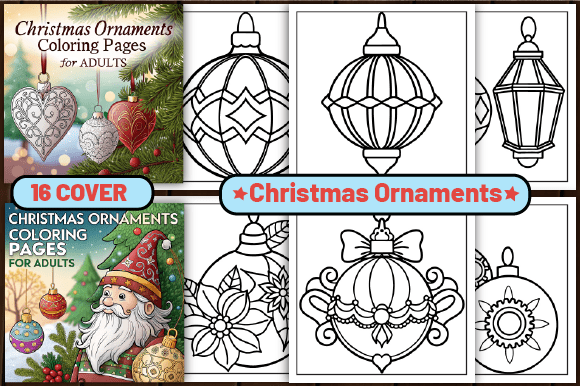
As a designer who has spent countless hours digitizing and stitching out holiday motifs, I approach new design packs with a mix of excitement and skepticism. The market is flooded with seasonal assets, but few offer the versatility required for both quick hobby projects and professional commercial embroidery work. Recently, I evaluated the 72 Christmas Ornaments Coloring Pages from Coloring Pages Amp to determine if these line-art styles could translate effectively into thread. While originally marketed as coloring pages, their clean outlines and distinct shapes present a unique opportunity for embroidery designers looking to create modern, minimalist holiday decor.
First Impressions: Simplicity Meets Versatility
Upon opening the collection, the immediate mood is one of nostalgic charm mixed with contemporary minimalism. Unlike complex, photo-realistic designs that require thousands of stitches and dense fill stitch areas, these ornaments rely on strong silhouettes. For an embroidery project, this is often a blessing. The lack of excessive internal detail means the designs are less likely to suffer from registration issues on home machines or struggle with puckering on lighter fabrics.
The visual personality of the 72 Christmas Ornaments Coloring Pages is approachable. They feel handmade rather than mass-produced, which is exactly what customers look for when buying from an Etsy seller or a local boutique. The themes range from classic baubles and stars to whimsical gingerbread men and snowflakes. This variety allows for cohesive collections, meaning you can stitch multiple designs for a set of kitchen towels or a series of embroidered patches without the aesthetic feeling disjointed.
Real-World Application: From Totes to Tiny Tags
To truly test the viability of these designs, I imagined a specific real-life scenario: preparing a custom order for a local coffee shop wanting branded holiday merchandise. They requested a set of reusable tote bag designs and matching aprons for their baristas. Using the ornament outlines from this pack, I selected three distinct shapes—a simple star, a round bauble, and a candy cane.
Because the designs are essentially line art, they lend themselves beautifully to running stitch or lightweight satin stitch borders. On the canvas tote bags, the crisp lines stood out against the textured fabric without overwhelming the material. For the aprons, which needed to withstand frequent washing, the simplicity of the design meant fewer thread breaks and less bulk. If I were using a highly detailed digital file, the density might have made the fabric stiff, but these coloring-page-style outlines remained flexible and soft to the touch.
Beyond apparel, these assets shine in home decor. I envision them stitched onto pillow covers using contrasting thread colors to mimic the look of hand-drawn illustrations. They also work exceptionally well for baby embroidery projects, such as bibs or onesies, where heavy stitching can be uncomfortable for sensitive skin. The open spaces within the ornaments allow for creative personalization, such as adding a child’s name in a complementary font inside the bauble shape.
Navigating Technical Challenges
While the simplicity is a strength, it requires careful technical execution. When working with line-art style designs derived from 72 Christmas Ornaments Coloring Pages, stitch definition is paramount. On dark fabrics, a single line of running stitch may disappear. In these cases, I recommend using a double run or a narrow satin column to ensure visibility. Always check your stitch density settings; too loose, and the fabric shows through awkwardly; too tight, and you risk perforating delicate materials like silk or thin cotton.
Curved surfaces present another challenge. If you plan to use these designs on sweatshirt embroidery or caps, remember that the hoop tension can distort simple lines. A slight curve in a straight line looks like an error to the human eye. Therefore, proper hooping and the right stabilizer are non-negotiable. For stretchy fabrics like jersey knits, a cut-away stabilizer is essential to prevent the design from warping after the first wash.
Additionally, consider the scale. Some of the smaller ornaments in the pack might lose their clarity if reduced too much for a custom apparel chest logo. I advise testing the smallest elements on scrap fabric first. If the details merge into a blob of thread, it is better to reserve those specific designs for larger items like blankets or wall hangings where they can breathe.
Enhancing Brand Value and Customer Trust
For craft business owners, consistency is key to building brand recognition. The uniform style of the 72 Christmas Ornaments Coloring Pages allows for a cohesive product line. Whether you are creating printable mockup previews for your online store or stitching actual finished product samples, the clean aesthetic communicates professionalism. Customers trust designs that look intentional and neat.
These designs also offer excellent value for digital embroidery file sellers. By offering these as applique-ready outlines or simple stitch-outs, you cater to beginners who may not have advanced machines capable of handling complex shading. This inclusivity can expand your customer base. Furthermore, the "coloring page" origin story is a great marketing angle. You can promote the idea that the embroidery mimics the joy of coloring, appealing to hobbyists who appreciate the artistic process.
Practical Designer Notes
Before committing to a large production run or listing these as design assets in your shop, keep the following practical tips in mind:
- Test on Scrap Fabric: Always stitch a sample on the exact fabric type you intend to use. Thread tension varies significantly between denim, cotton, and polyester.
- Check Contrast: Use black and white mockups to ensure the design holds its shape without color reliance. If it looks good in monochrome, it will look great in thread.
- Verify Licensing: While Coloring Pages Amp provides these images, ensure you have the right to use them for commercial handmade product sales. Some licenses allow physical sales but restrict digital redistribution of the files themselves.
- Stabilizer Selection: Match your stabilizer to your fabric weight. Lightweight tear-away for stable wovens, cut-away for knits, and water-soluble for lace or sheer fabrics.
- Hoop Size Compatibility: Confirm that the largest ornament fits within your standard hoop size, typically 4x4 or 5x7 inches, to maximize efficiency.
In conclusion, the 72 Christmas Ornaments Coloring Pages offer a refreshing departure from overly complex holiday motifs. They provide a solid foundation for holiday embroidery projects that are both stylish and technically manageable. For the experienced designer, they are a canvas for creativity; for the beginner, they are a forgiving entry point into seasonal stitching. With proper attention to stitch type and fabric choice, these designs can elevate your small shop product lineup and bring genuine joy to your customers this holiday season.